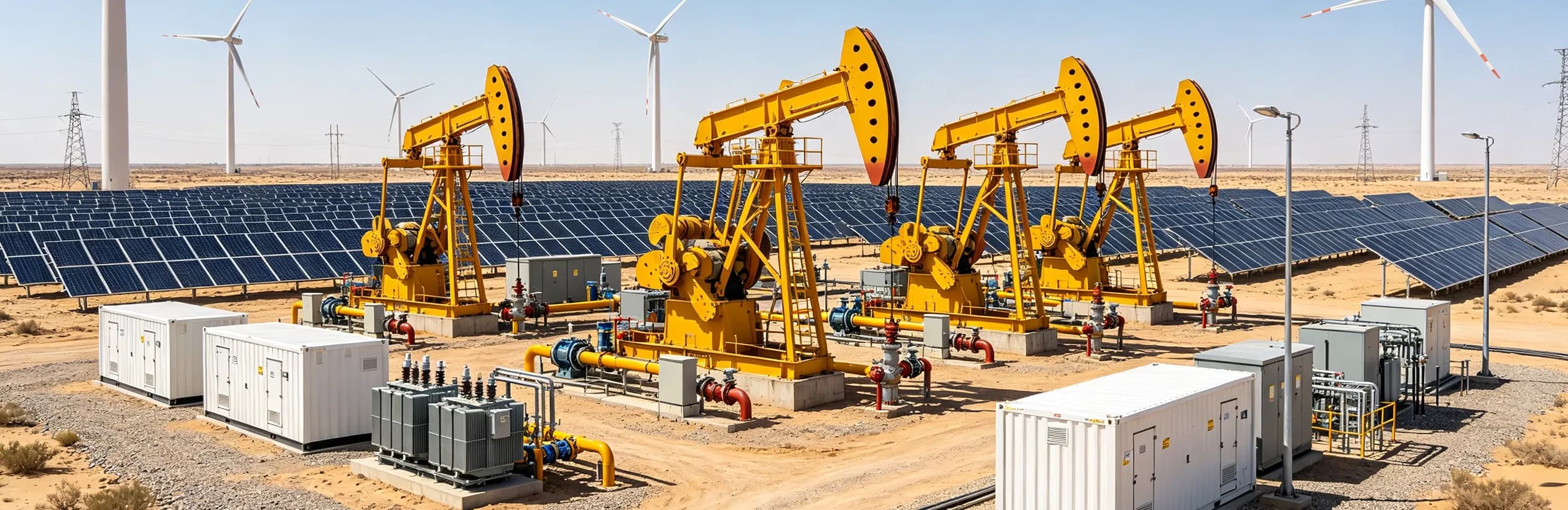
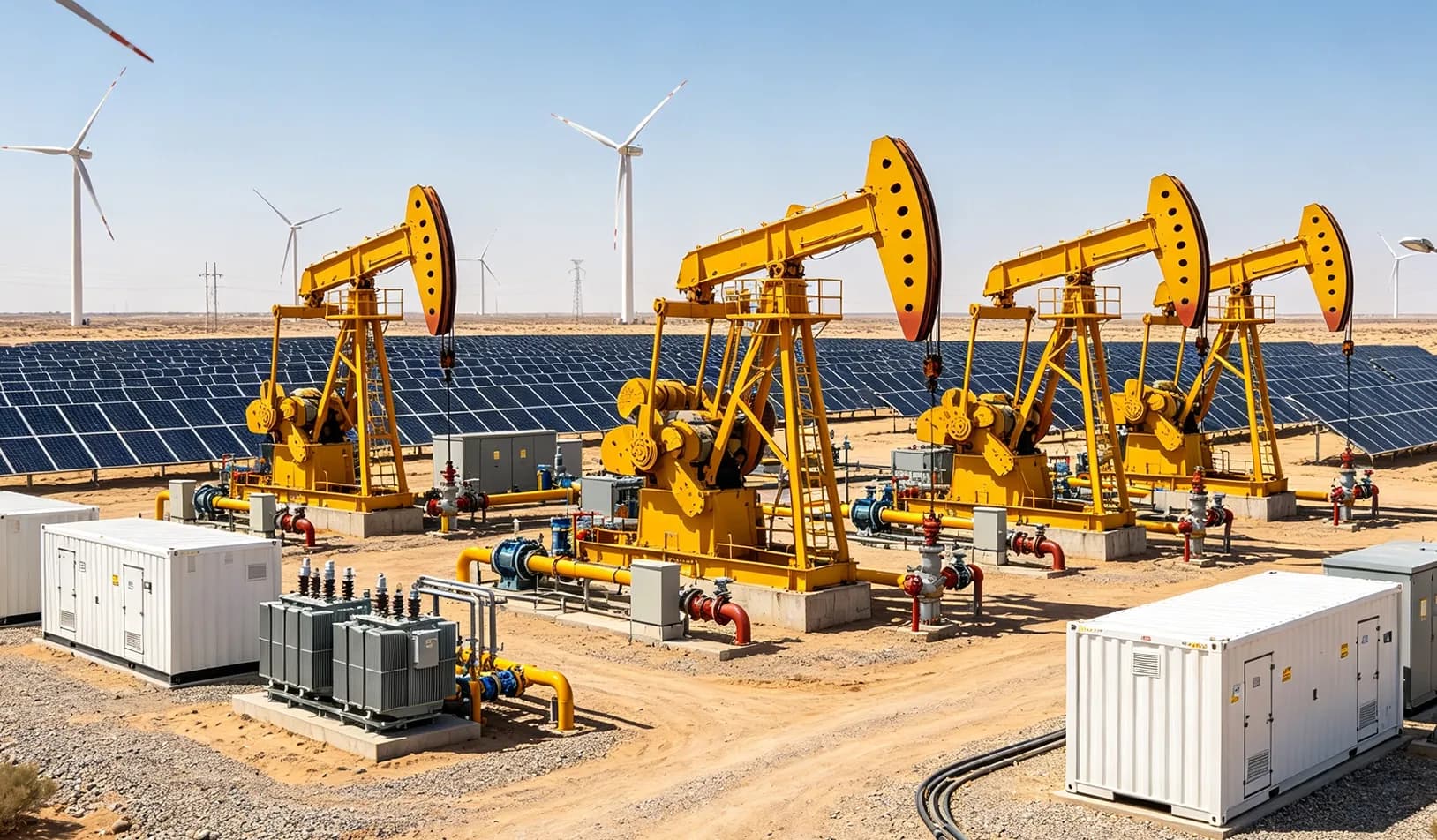
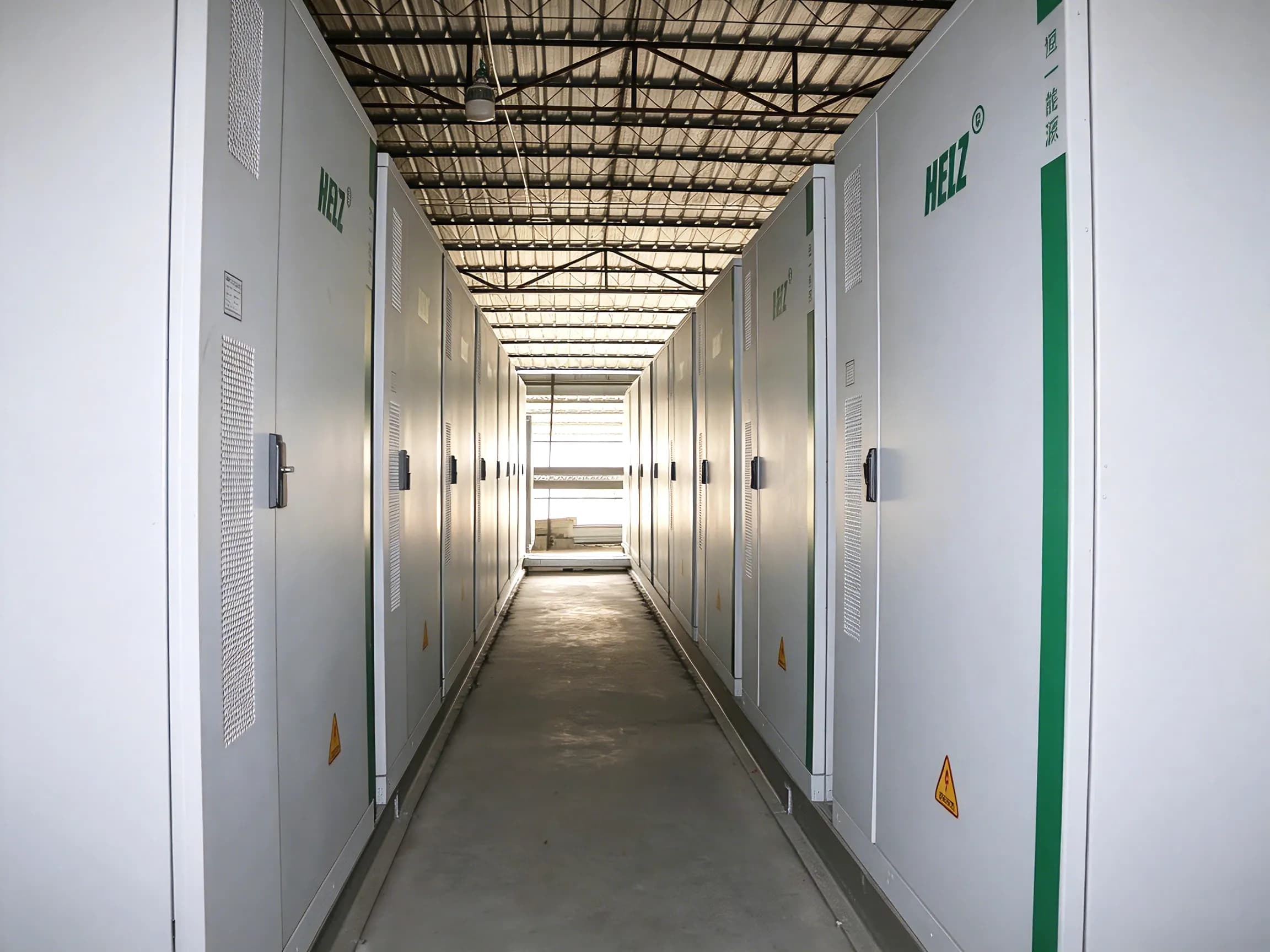
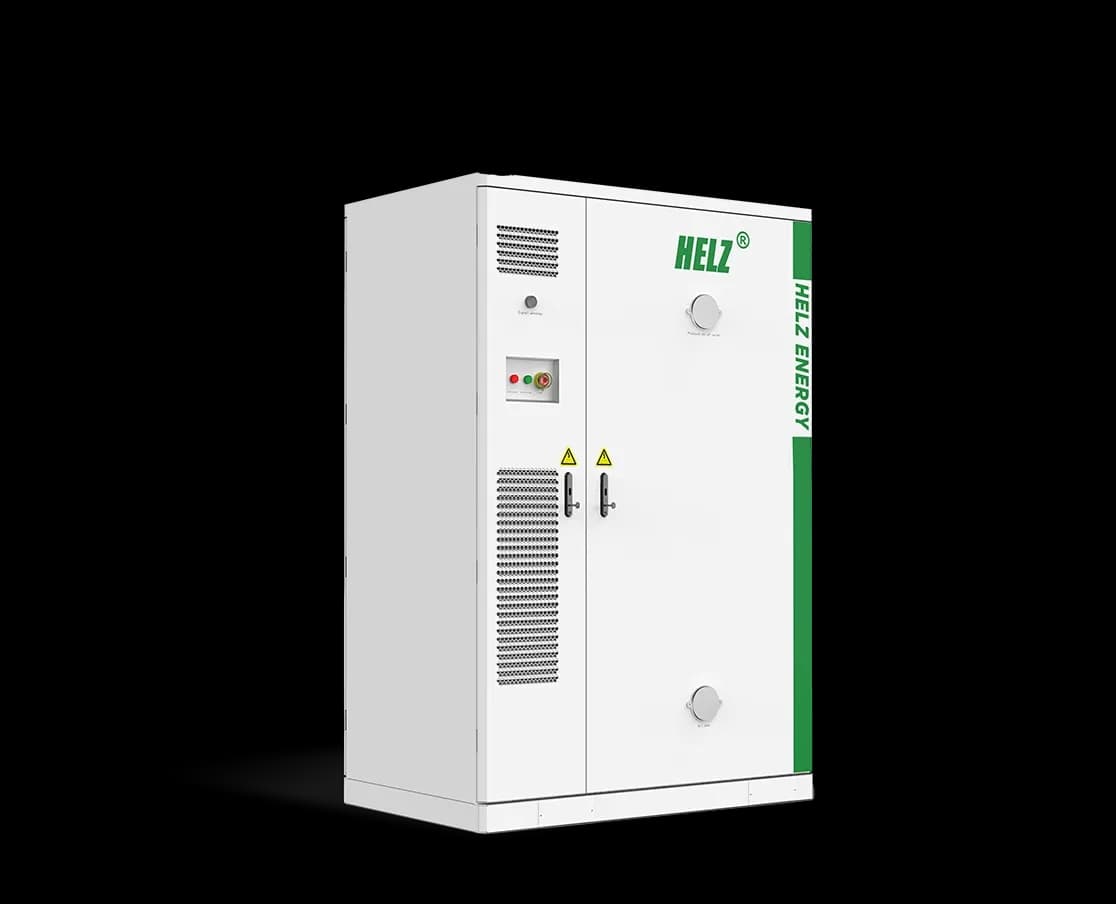
Photovoltaic Battery Energy Storage Systems (PV BESS) represent the next evolution in renewable energy technology.
These integrated solutions combine solar power generation with advanced battery storage, enabling businesses and homeowners to maximize energy efficiency while reducing costs and carbon footprints.
What is a PV BESS Solution?
A PV BESS solution integrates solar photovoltaic panels with battery energy storage systems. Solar panels generate electricity during daylight hours. The battery system stores excess energy for use when the sun isn’t shining.
This combination creates a self-sufficient energy ecosystem. Users can power their operations day and night without relying solely on the grid.
Core Components of PV BESS Systems
Solar Photovoltaic Array
High-efficiency solar panels capture sunlight and convert it into direct current (DC) electricity. Modern panels achieve conversion efficiencies exceeding 20%, maximizing energy production from available roof or ground space.
Battery Energy Storage
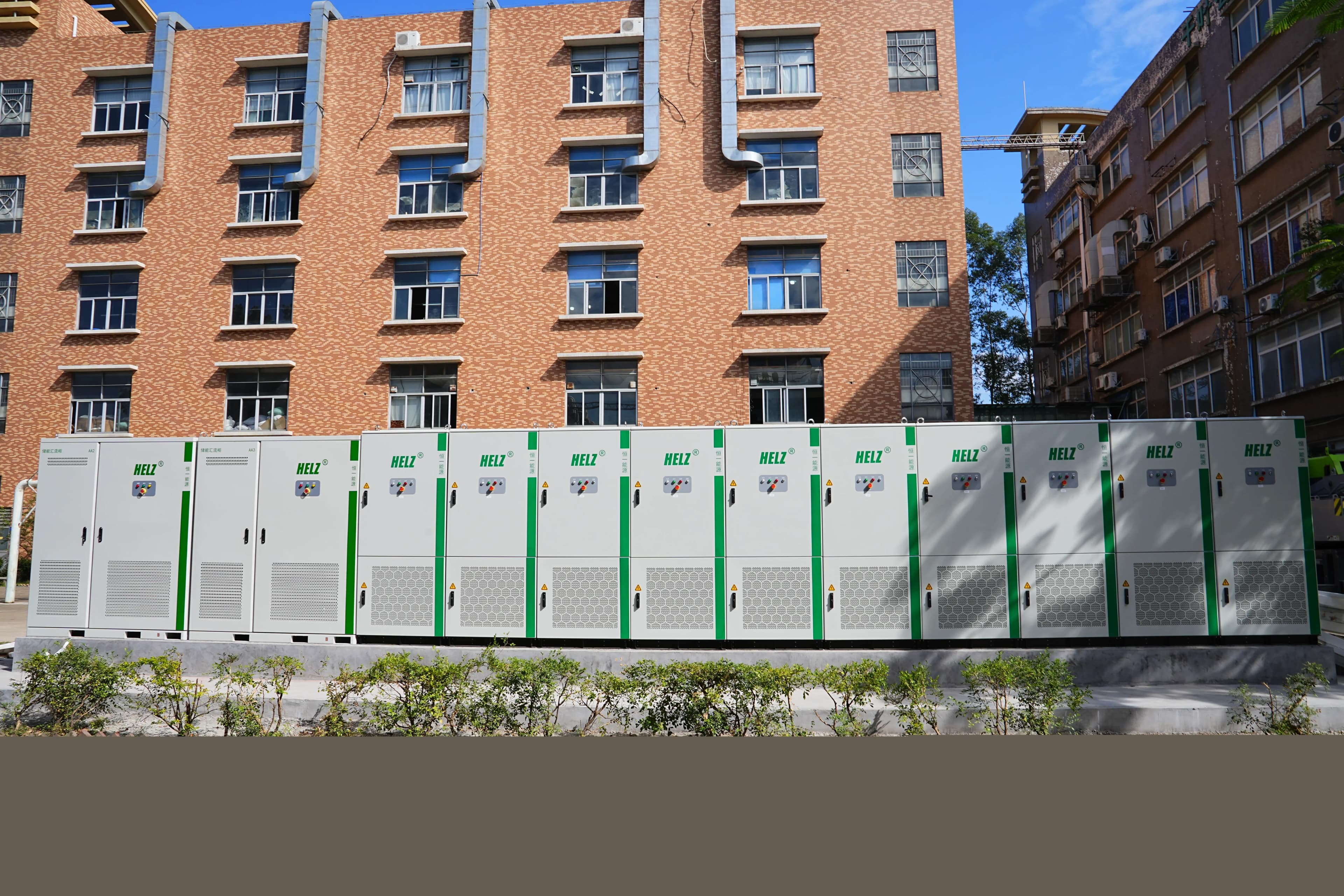
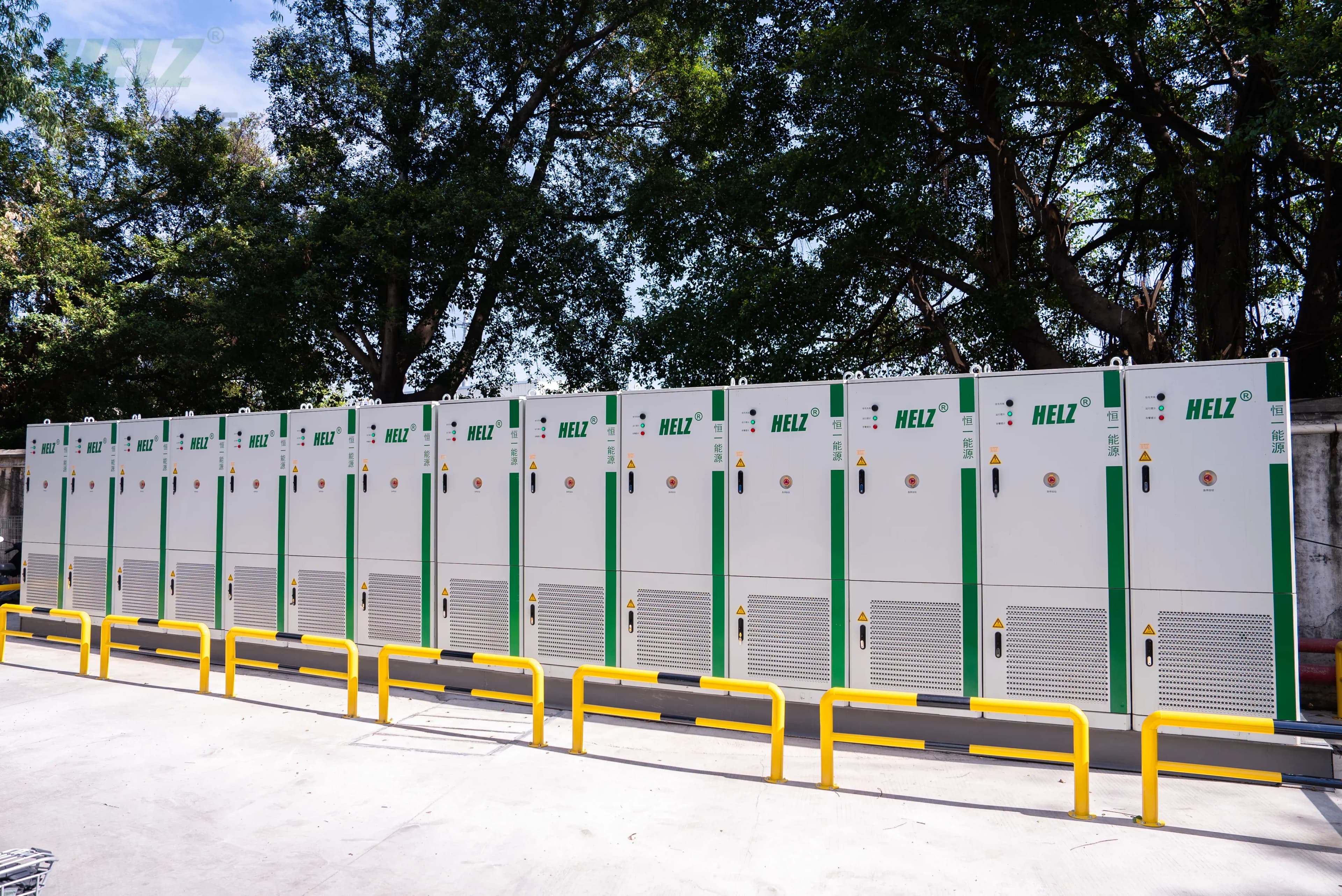
Lithium-ion battery systems store excess solar energy. These batteries feature long cycle life, high energy density, and excellent thermal stability. They charge during peak solar production and discharge when energy is needed most.
Power Conversion System
The inverter manages energy flow between solar panels, batteries, and electrical loads. It converts DC power from panels and batteries into alternating current (AC) for building use. Advanced inverters optimize charging strategies and ensure seamless operation.
Energy Management System
Intelligent software monitors system performance in real-time. It optimizes energy dispatch based on consumption patterns, electricity rates, and weather forecasts. This maximizes self-consumption and financial returns.
Understanding Coupling Methods
PV BESS systems use different coupling architectures depending on installation requirements.
DC-Coupled Systems
DC-coupled configurations connect solar panels and batteries on the DC side of a hybrid inverter. This design minimizes energy conversion losses. Solar energy flows directly to batteries without AC conversion.
DC-coupled systems achieve the highest efficiency for new installations. They’re ideal when designing integrated solar-plus-storage from the ground up.
AC-Coupled Systems
AC-coupled systems connect solar and battery components on the AC side. Each subsystem has its own inverter. This approach works well for retrofitting existing solar installations.
Adding battery storage to an existing solar array becomes straightforward. However, AC-coupled systems experience slightly higher conversion losses compared to DC-coupled designs.
Hybrid-Coupled Systems
Hybrid coupling combines both AC and DC connections. This flexibility allows system expansion while optimizing efficiency. Users can add new solar capacity directly to the hybrid inverter while maintaining existing equipment.
Key Benefits of PV BESS Solutions
Energy Cost Reduction
Store low-cost solar energy and use it during expensive peak rate periods. This time-of-use optimization can reduce electricity bills by 30-50% in many applications.
Peak Demand Management
Discharge stored energy during high-demand periods to reduce peak power charges. Commercial facilities often see significant savings from demand charge reduction alone.
Energy Independence
Reduce reliance on grid electricity. PV BESS systems provide backup power during outages, ensuring business continuity and operational resilience.
Renewable Energy Maximization
Capture and store all solar production, even when generation exceeds immediate consumption. This maximizes return on solar investment and increases self-sufficiency rates.
Grid Support Services
Advanced systems can participate in demand response programs and provide grid services. This creates additional revenue streams while supporting grid stability.
Common Applications
Commercial and Industrial Facilities
Manufacturing plants, warehouses, and office buildings benefit from reduced operating costs and improved power reliability. PV BESS systems handle high energy demands while providing backup capability.
Retail and Hospitality
Shopping centers, hotels, and restaurants reduce energy expenses while demonstrating environmental commitment. Uninterrupted power protects revenue during grid disruptions.
Critical Infrastructure
Healthcare facilities, data centers, and telecommunications sites require reliable power. PV BESS solutions provide both cost optimization and mission-critical backup.
Agricultural Operations
Farms and processing facilities offset high energy costs while ensuring irrigation and refrigeration systems remain operational.
Selecting the Right PV BESS Solution
System design depends on several factors. Analyze your energy consumption patterns over at least 12 months. Consider peak demand timing, total energy usage, and future growth plans.
Evaluate existing infrastructure. Facilities with solar already installed may benefit from AC-coupled battery additions. New installations should prioritize DC-coupled or hybrid systems for maximum efficiency.
Assess your primary objectives. Cost reduction, backup power, and sustainability goals each influence optimal system configuration.
Investment Considerations
PV BESS solutions deliver value through multiple channels. Direct electricity cost savings provide measurable returns. Avoided demand charges add substantial value for commercial users.
Backup power capability prevents costly downtime. Environmental benefits support corporate sustainability initiatives and may qualify for incentives or tax credits.
Conclusion
PV BESS solutions represent smart infrastructure investments for the modern energy landscape. They reduce costs, enhance reliability, and accelerate the transition to renewable energy.
As technology advances and costs decline, integrated solar-plus-storage becomes increasingly essential for competitive operations and energy independence.