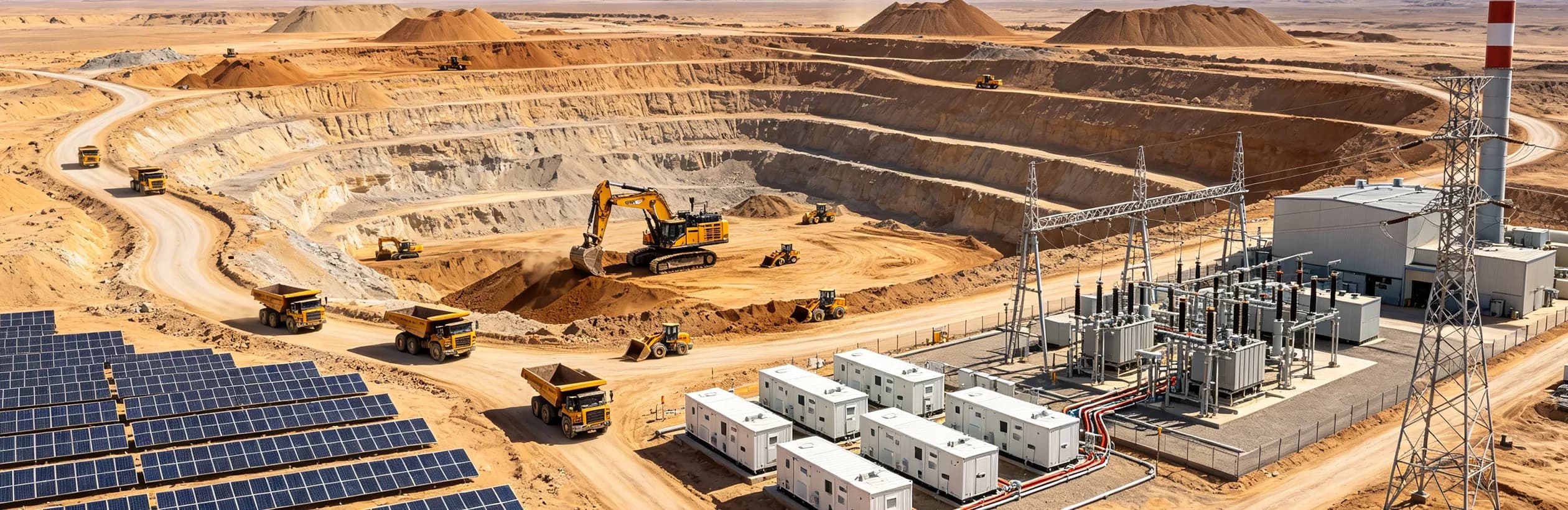
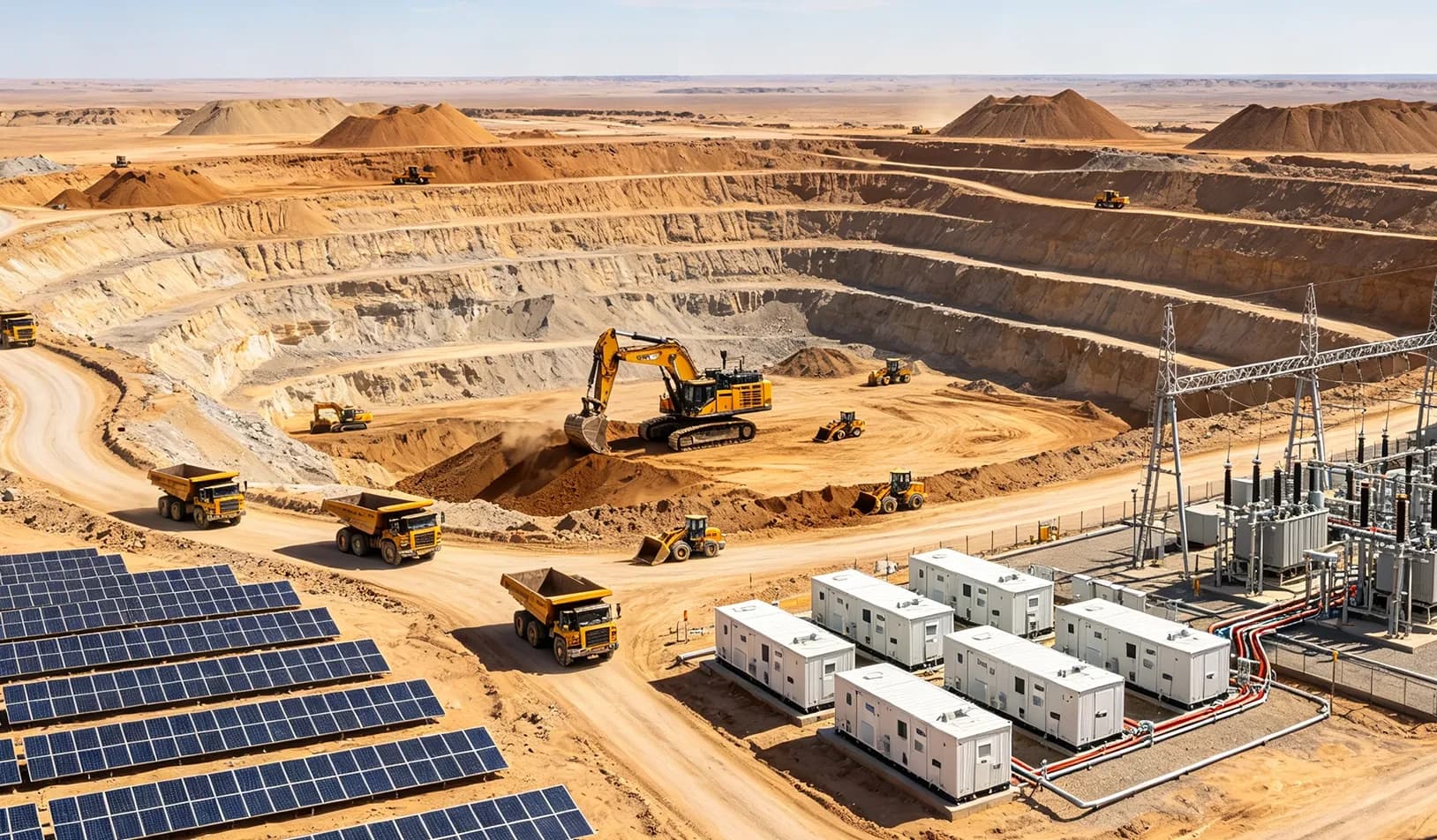
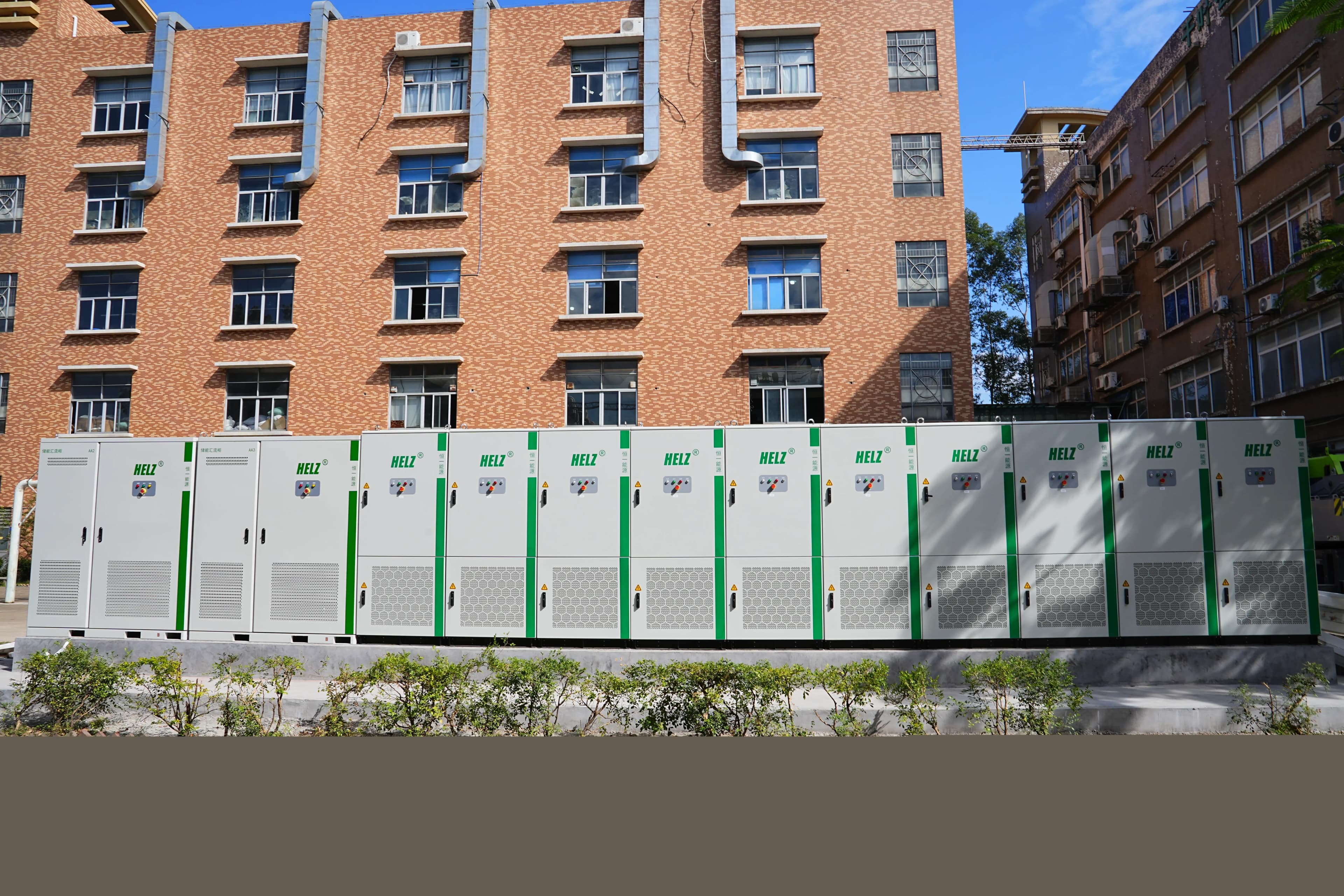
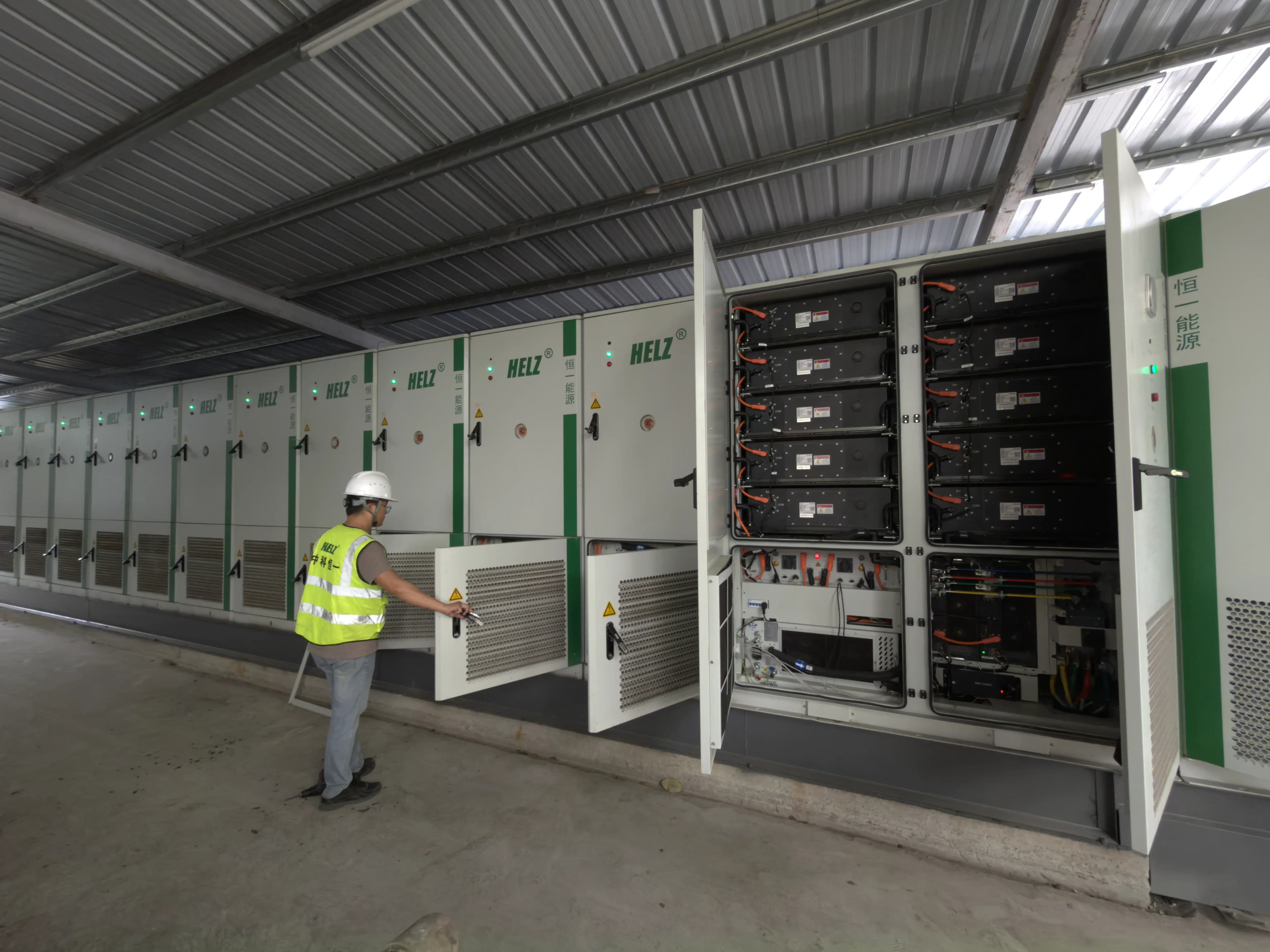
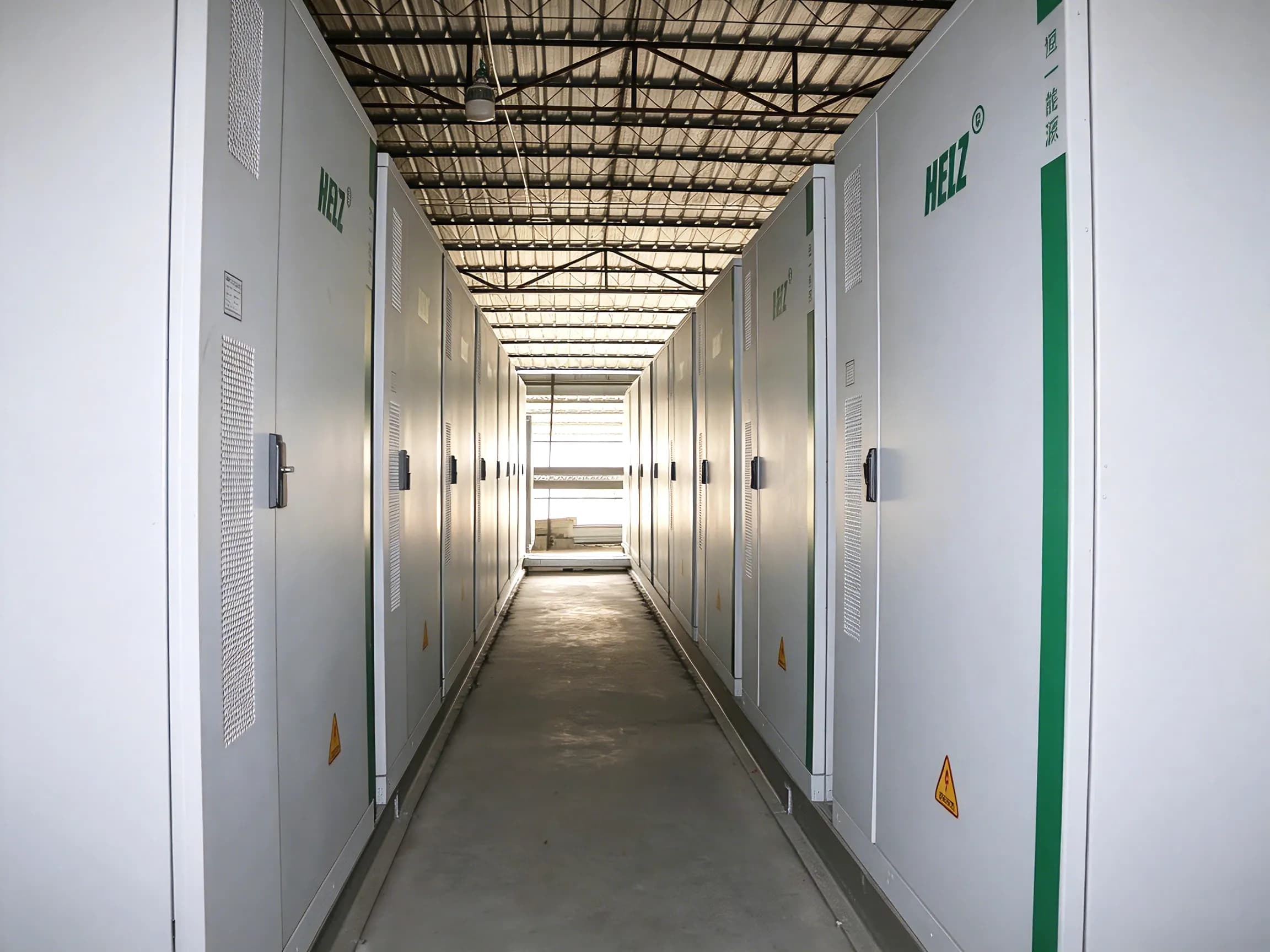
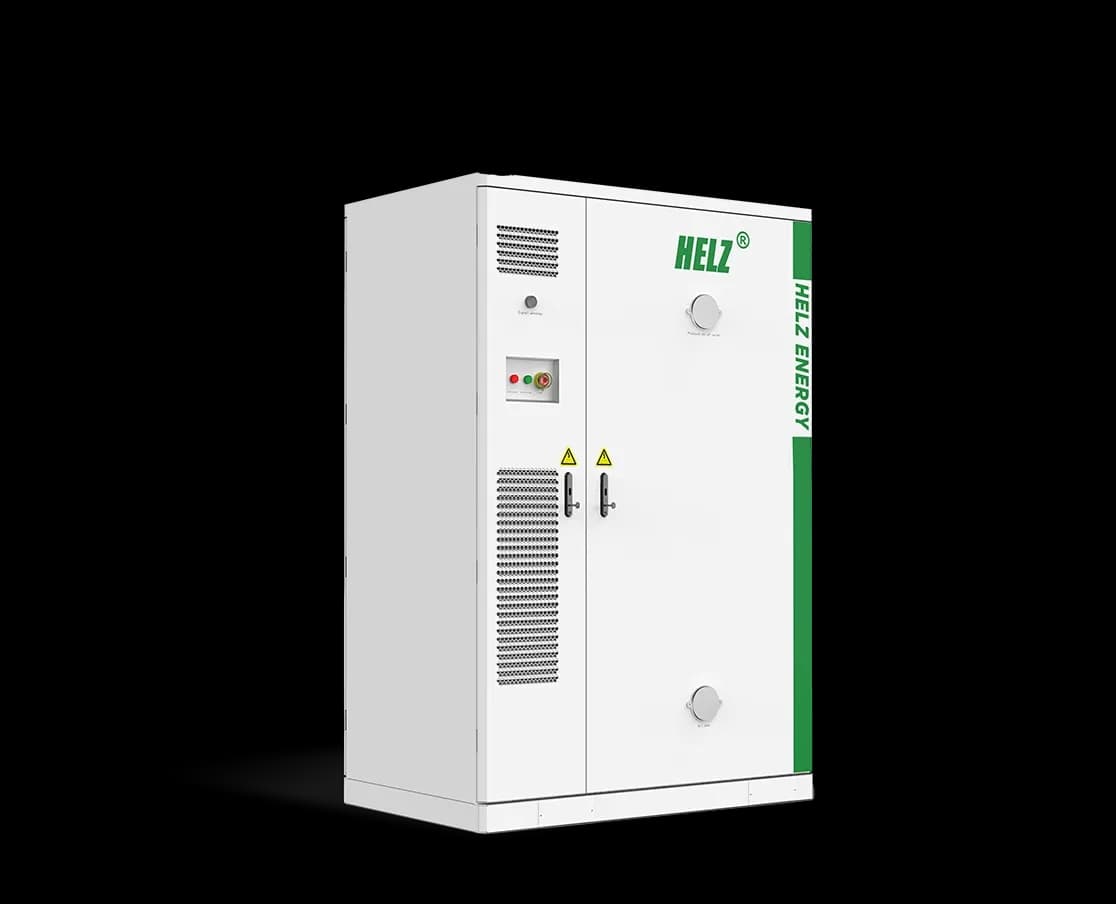
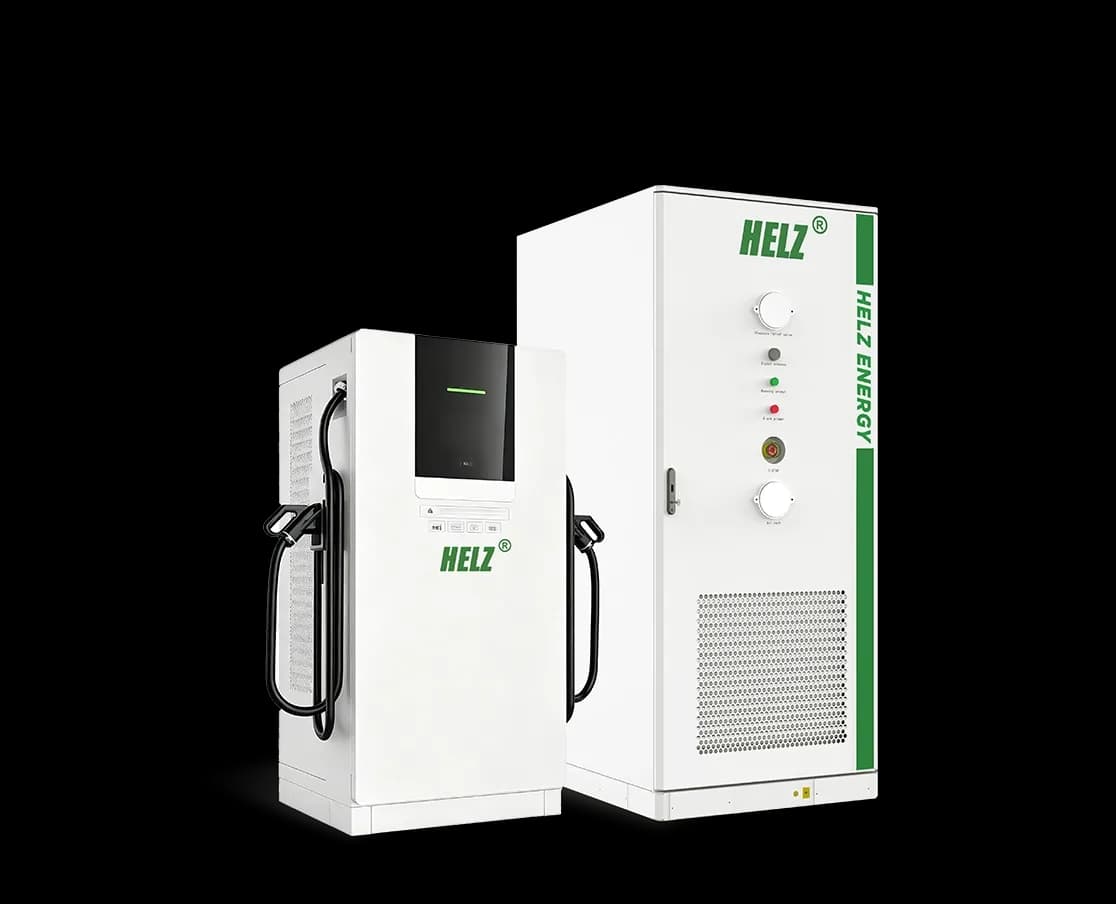
Today, businesses around the world are facing three major energy challenges: rising electricity costs, frequent power outages, and unstable grids.
Electricity prices continue to increase, putting pressure on operating costs. At the same time, even a short power interruption can stop production, damage equipment, or cause data loss. In many regions, grid instability caused by aging infrastructure and extreme weather makes the situation even worse.
Because of this, companies are looking for smarter and more reliable energy storage solutions and backup power systems.
What is UPS and What is BESS?
A UPS (Uninterruptible Power Supply) is designed to provide instant backup power. When the grid fails, it responds in milliseconds to keep critical equipment running without interruption. This is why UPS systems are widely used in data centers, hospitals, and industrial operations.
A BESS (Battery Energy Storage System) works differently. It stores energy and releases it when needed. BESS is used for longer backup time, energy cost savings, and power management, often running for hours instead of minutes.
UPS = immediate protection
BESS = long-duration energy and optimization
UPS vs BESS: What’s the Difference?
Understanding UPS vs BESS helps businesses choose the right solution
Feature
UPS
BESS
Response Time
Milliseconds
Seconds
Runtime
Seconds–Minutes
Minutes–Hours
Main Role
Instant backup
Energy storage & management
Usage
Emergency only
Daily energy optimization
UPS systems are built for speed, while BESS systems are built for capacity and flexibility.
The Solution: Hybrid UPS + BESS
Instead of choosing one over the other, many companies are now using a Hybrid UPS + BESS Solution.
This approach combines the strengths of both systems:
UPS = immediate protection
BESS = long-duration energy and optimization
In a hybrid setup, the UPS handles the first seconds of an outage, while the BESS takes over for longer operation. Together, they create a more reliable and efficient power system.
Applications
Hybrid UPS + BESS systems are widely used in:
Industrial and manufacturing facilities
Data centers and IT infrastructure
Commercial buildings
Micro-grid and renewable energy projects
These environments require both continuous power and cost control, making hybrid solutions ideal.
Key Benefits
No downtime – Critical systems stay online
Longer backup time – From minutes to hours
Lower electricity costs – Through peak shaving
Better energy reliability – Even with unstable grids
Reduced diesel use – Cleaner and more sustainable
Conclusion
As energy challenges continue to grow, businesses need smarter and more flexible solutions.
A Hybrid UPS + BESS Solution offers the perfect balance of reliability, efficiency, and cost savings.
Looking for a customized energy storage solution?
Contact HELZ Energy today to design a customized energy storage solution for your project.
Ventajas de la Solucion
Interdisciplinario
Un equipo responde rapido y resuelve desafios.
Con Experiencia
Mas de 500 disenos de soluciones y adaptacion a condiciones variadas de instalacion.
Competitivo
Fabrica de origen que gestiona el ensamblaje y la puesta en marcha.