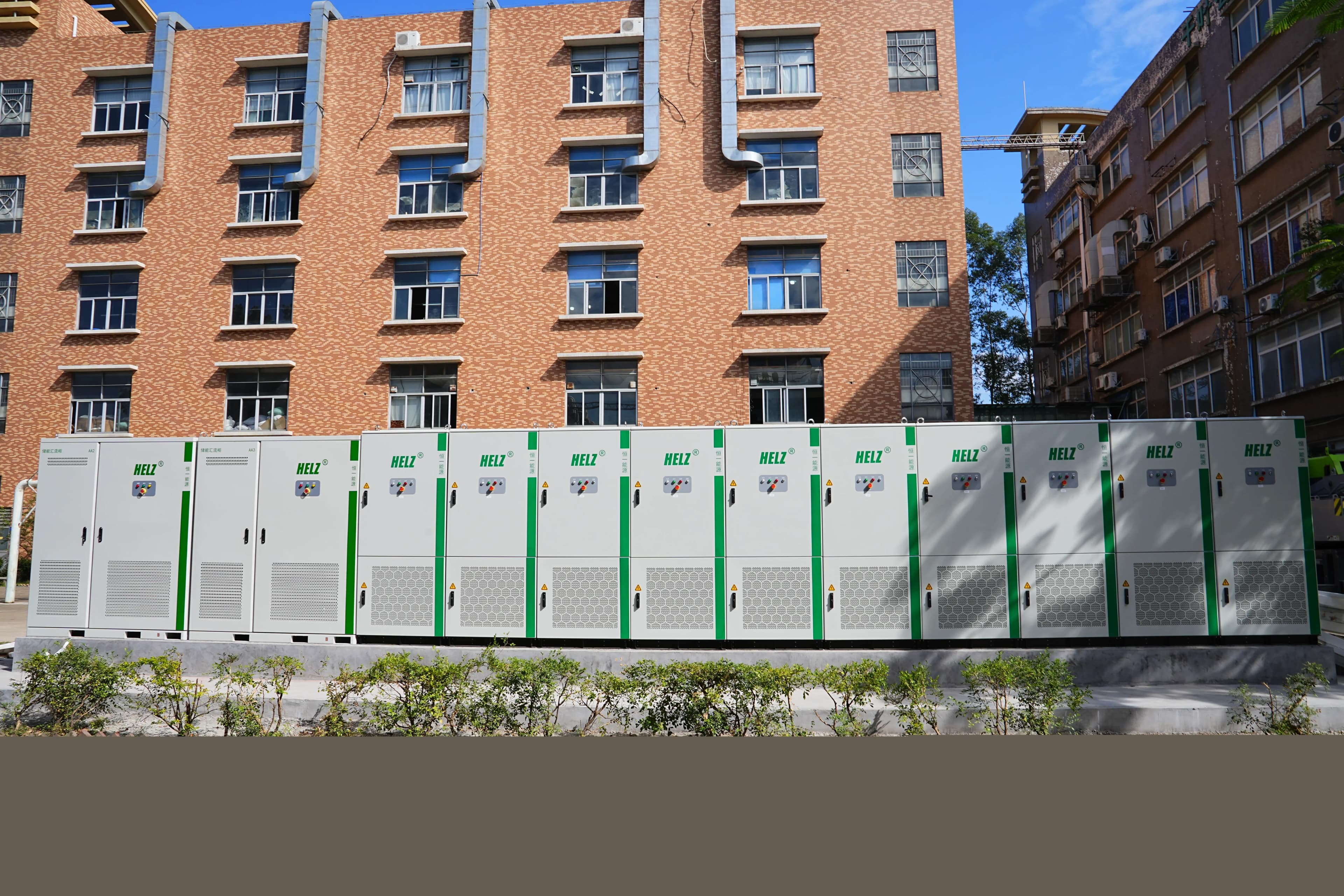

Case: MWh Battery Storage for Energy-intensive Factory
Capacity: 4.12MW/8.6MWh
Delivered in: DEC 2025
How Customer Benefits
Customer obtained lower reliance on the grid and saved around $180,000 from the bill annually.
Customer Pain Point
The existing solar panels generated unstably, with high energy consumption from production lines. Meanwhile, strongly rely on the grid, bearing heavier loads of the electricity bills.
HELZ solution
Solar + Storage, Peak Shaving, Grid Frequency Monitor, Stabilize the grid supply
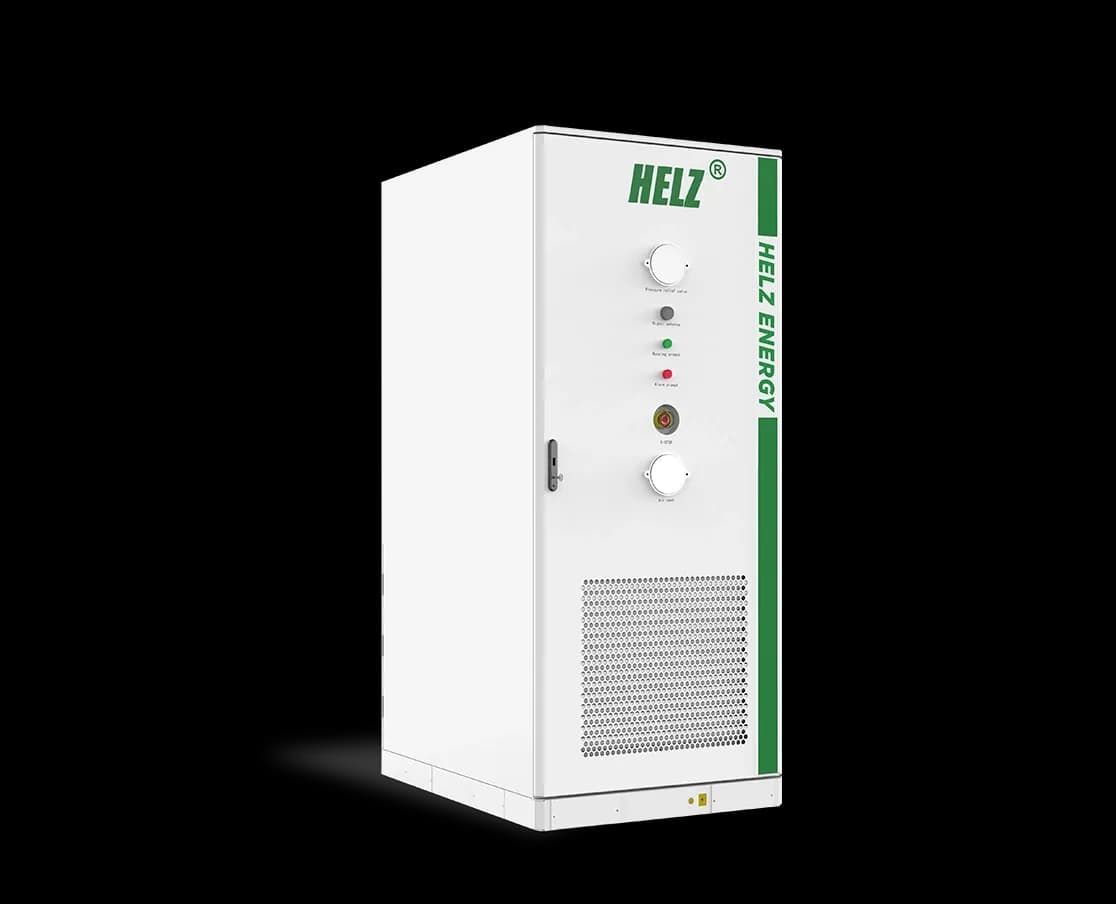
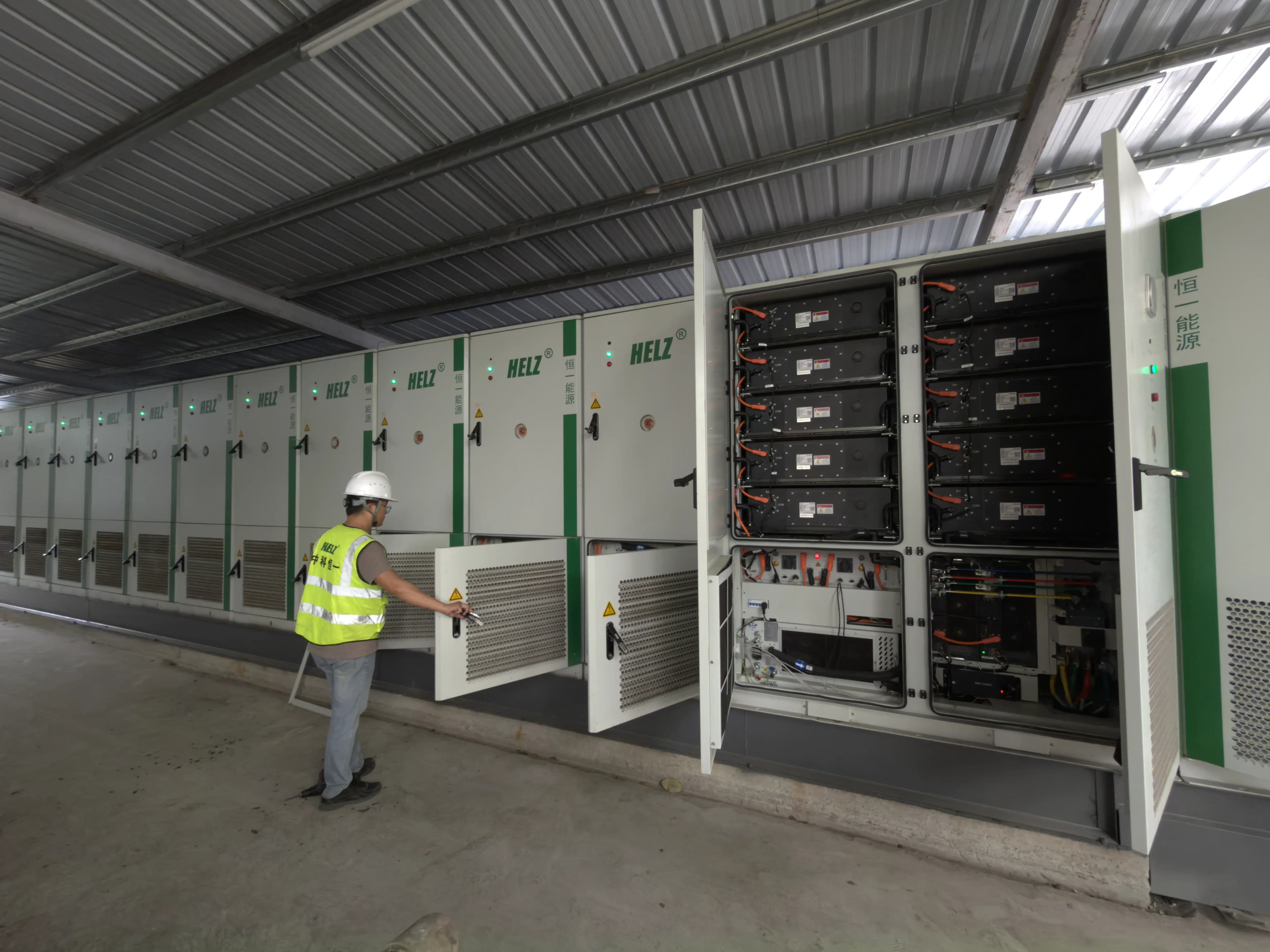
For a metal factory, HELZ delivered a solar + storage system comprising 3.3MW/8.61MWh total (261 kWh each, 33 liquid-cooled cabinets) and an AI-powered operations platform.
By storing daytime solar surplus and discharging during evening peak periods, the system creates a self-sustaining power loop—reducing grid dependence and cutting electricity costs.
The installation also provides grid ancillary services, including peak shaving and frequency regulation, which buffers PV intermittency, enhances local grid resilience, and secures a stable green power supply for the facility.
HELZ O&M
We implemented an AI-powered energy management system (EMS) that monitors system operations and maintenance in real time, ensuring the system executes its designed strategy while detecting performance anomalies.
Routine online inspections are also conducted to maximize battery lifespan.
HELZ Risk Management and Countermeasures:
1) To minimize the risks of battery attenuation, we chose long lifespan cells at the begining of system design, and schedule routine inspection upon battery health condition.
2) To optimize economical returns, we strictly control only grade-A LiFePo4 batteries were used for this project. Better cells, lower O&M fees after sales.
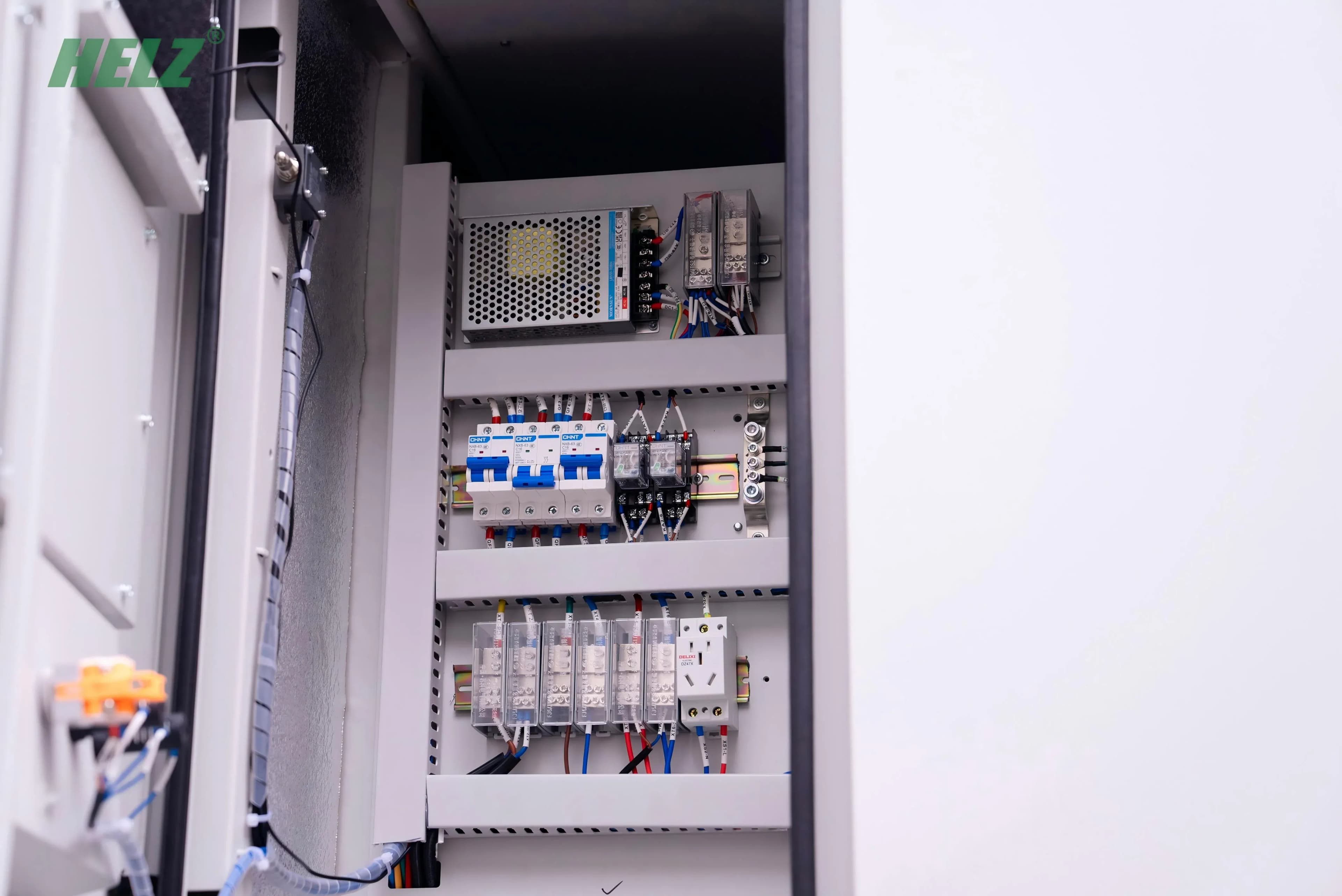
3) The HELZ 261 kWh liquid-cooled cabinet incorporates three layers of safety protection: a fire-resistant compartment design, a three-stage trigger-activated power cut-off, and a fully automatic perfluorohexanone fire suppression system.
HELZ takes charge every of your project:
● Site survey
● Analysis of existing electricity bills
● Feasibility assessment
● Production and Construction supports the project
● Grid connection and commissioning
● Long-term O&M.