Modern agriculture faces dual challenges: rising energy costs and increasing pressure to adopt sustainable practices.
Solar agricultural Battery Energy Storage Systems (BESS) provide an integrated solution that addresses both concerns while enhancing farm productivity and profitability.
What is Solar Agricultural BESS?
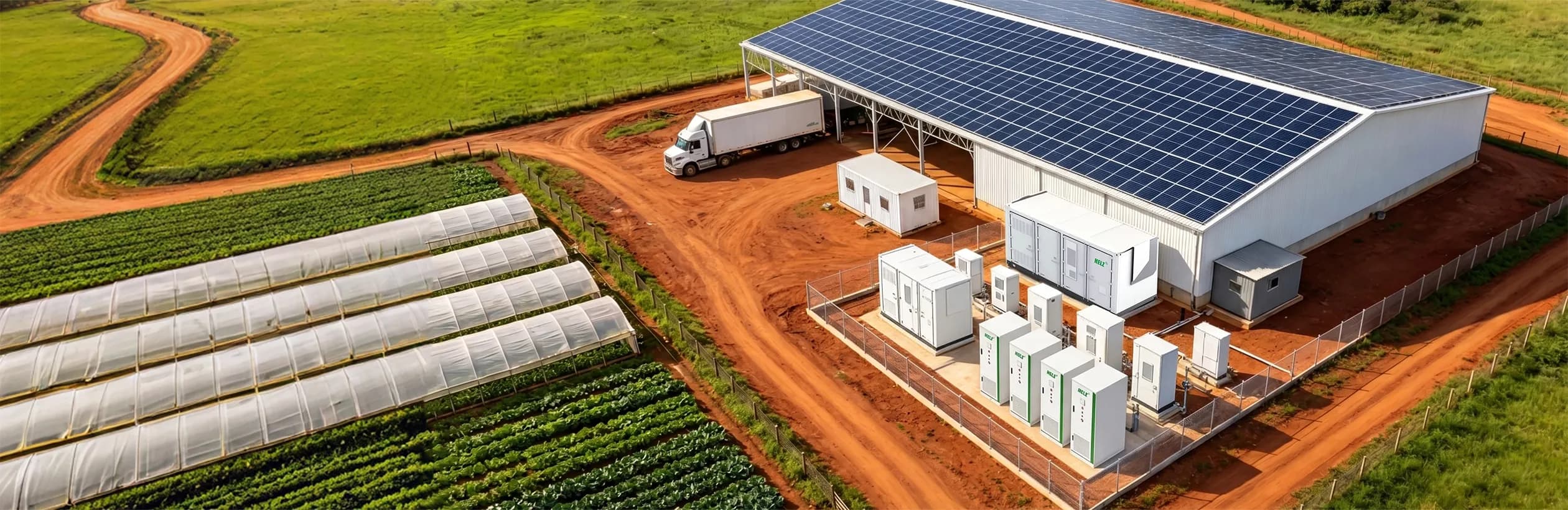
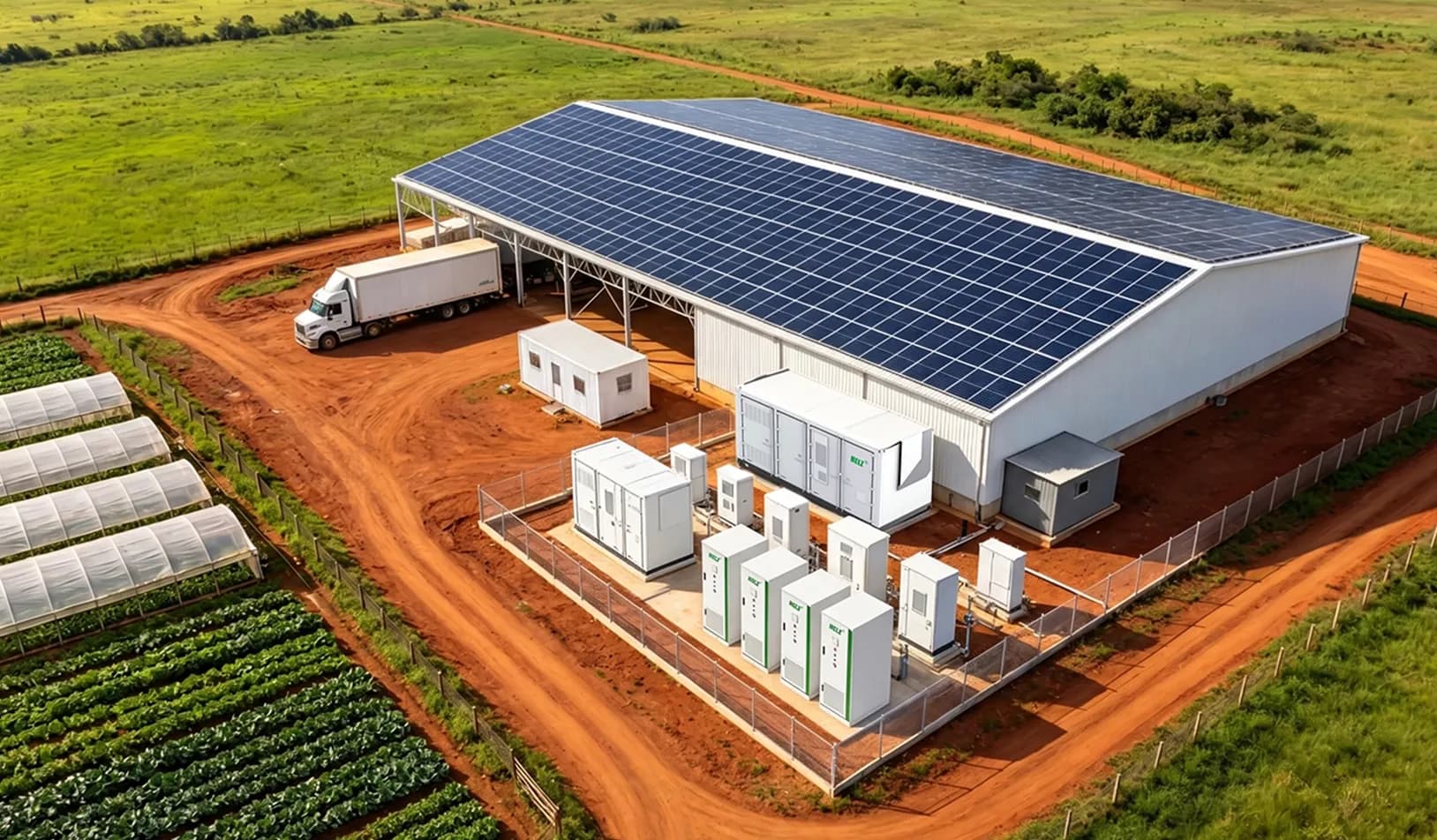
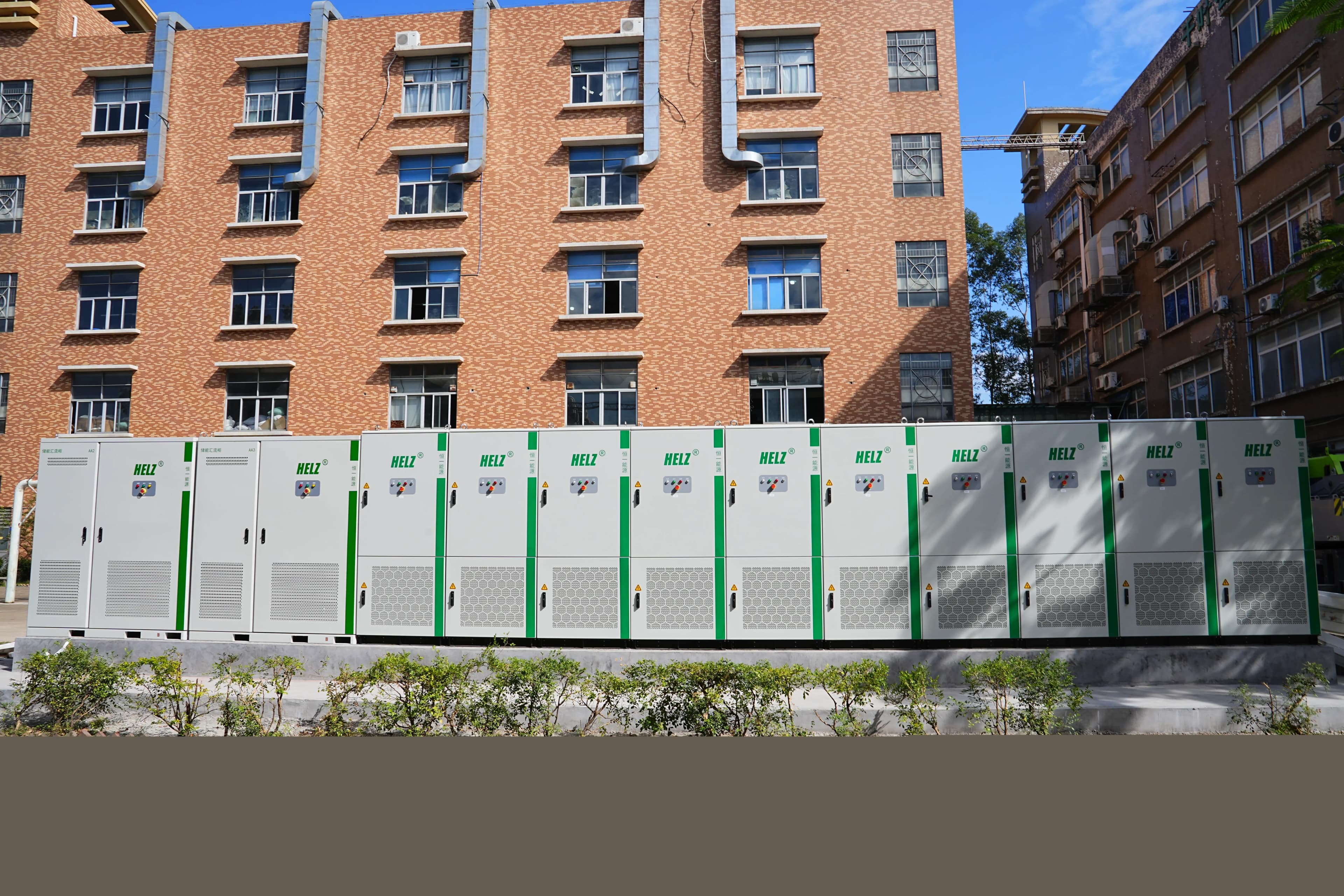
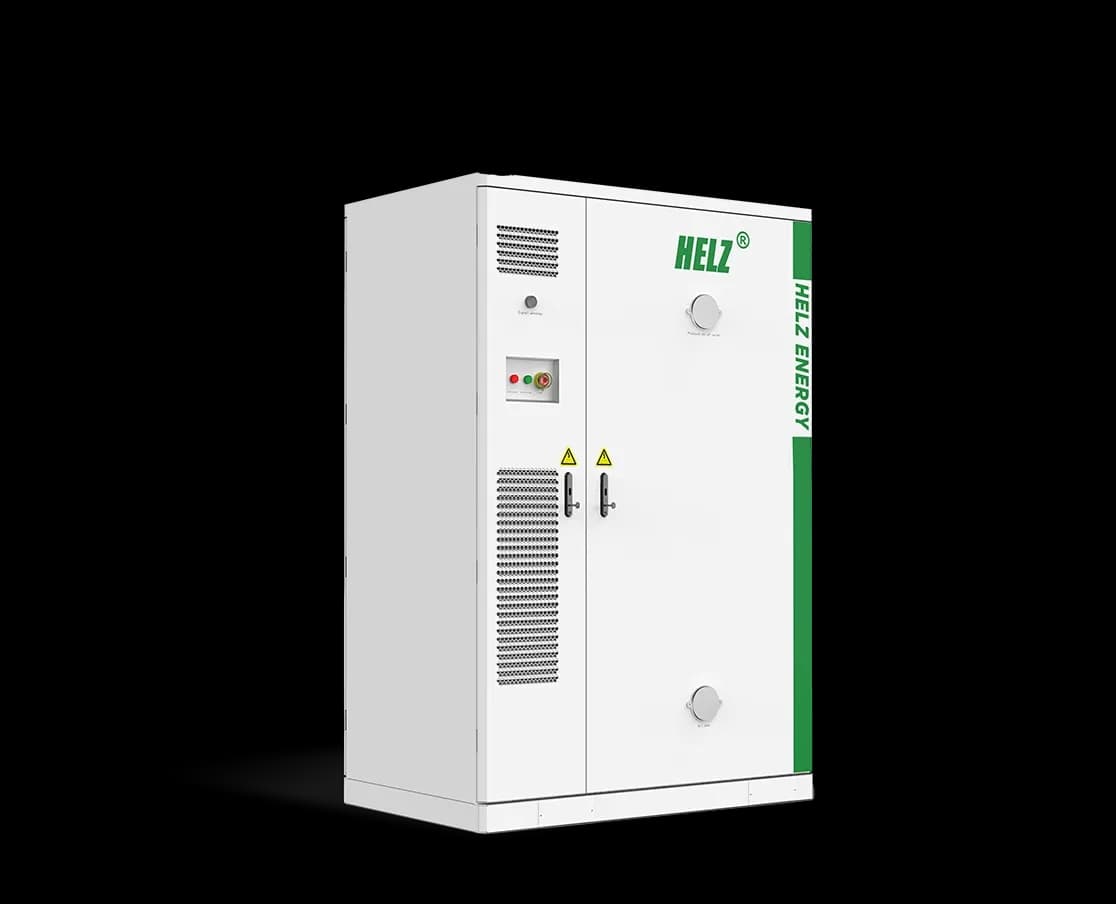
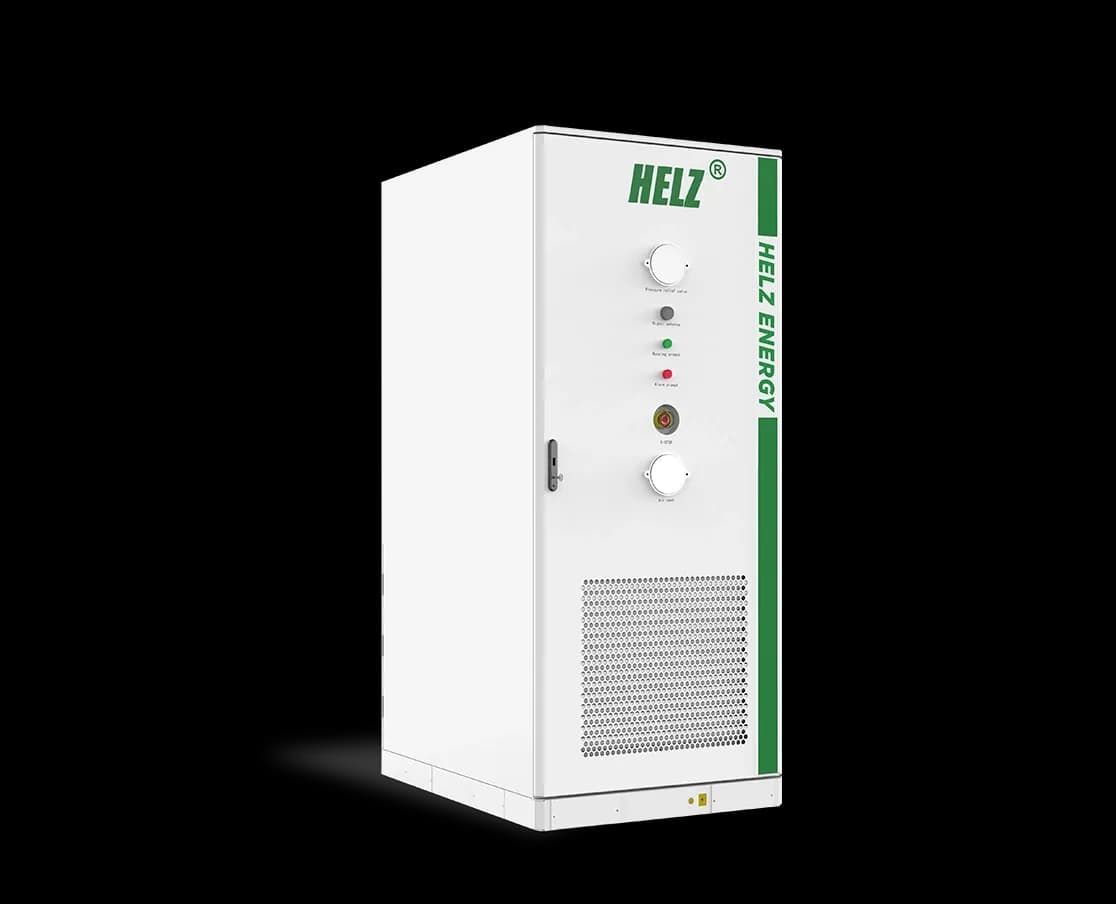
Solar agricultural BESS combines photovoltaic panels with battery storage systems specifically designed for farming operations.
This integration creates a self-sufficient energy ecosystem that powers agricultural activities day and night.
The system captures solar energy during daylight hours.
Excess energy charges battery storage for use during evening operations or periods of high demand. This ensures continuous power availability for critical farming processes.
Core Benefits for Agricultural Operations
Dramatic Energy Cost Reduction
Farms consume significant electricity for irrigation, refrigeration, processing, and climate control.
Solar BESS solutions can reduce energy expenses by 40-60% through self-generation and strategic energy management.
Time-of-use optimization allows farms to avoid expensive peak electricity rates.
Stored solar energy powers operations during high-cost periods, delivering immediate financial returns.
Enhanced Operational Reliability
Agricultural operations cannot afford power interruptions.
Crop irrigation systems, livestock climate control, and refrigerated storage require continuous electricity.
Battery storage provides seamless backup power during grid outages.
This protects valuable crops, livestock, and perishable products from spoilage or loss.
Support for Agrivoltaic Farming
Agrivoltaics represents the simultaneous use of land for both solar generation and agriculture.
Elevated solar panels provide partial shading while generating electricity.
Studies show that certain crops actually thrive under solar panels.
The shade reduces heat stress and water evaporation.
Some installations report up to 10% higher solar efficiency due to cooling effects from crop transpiration.
Battery storage maximizes the value of agrivoltaic systems by capturing all generated energy for later use.
Key System Components
Solar Photovoltaic Array
Agricultural solar installations typically range from 50kW to several megawatts depending on farm size and energy needs.
Panels can be ground-mounted between crop rows or elevated above growing areas.
Modern bifacial panels capture reflected light from soil and crops, increasing total energy production by 10-15%.
Battery Energy Storage
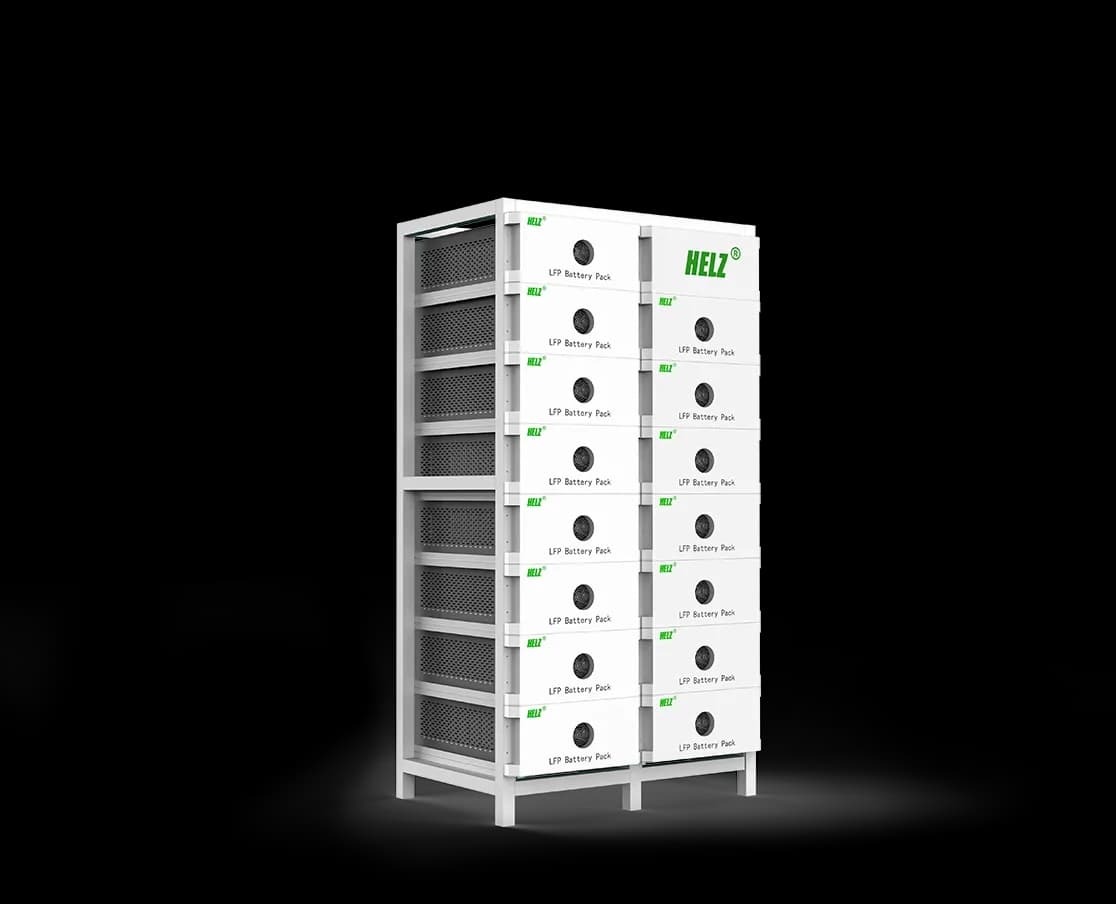
Lithium iron phosphate (LFP) batteries dominate agricultural applications due to their safety profile and long cycle life.
Systems typically provide 4-8 hours of storage capacity.
Battery sizing depends on critical load requirements and desired backup duration.
Proper sizing ensures essential operations continue during extended outages.
Intelligent Energy Management
Advanced software optimizes energy flow based on weather forecasts, electricity rates, and operational schedules.
The system automatically charges batteries during low-cost periods and discharges during peak demand.
Real-time monitoring provides visibility into energy production, consumption, and storage levels.
This enables proactive management and maximizes system value.
Common Agricultural Applications
Irrigation Systems
Pumping water represents one of the largest energy expenses for many farms.
Solar BESS solutions power irrigation during optimal times regardless of sunlight availability.
Cold Storage and Processing
Refrigeration and processing facilities require continuous power.
Battery storage ensures temperature-sensitive products remain protected during grid disruptions.
Greenhouse Operations
Climate control, supplemental lighting, and automated systems demand reliable electricity.
Solar BESS provides cost-effective power while reducing carbon footprint.
Livestock Facilities
Ventilation, feeding systems, and milking operations require uninterrupted power.
Battery backup protects animal welfare and productivity.
EV Charging for Farm Equipment
As agricultural equipment electrifies, on-farm charging infrastructure becomes essential.
Solar BESS supports fleet charging without expensive grid upgrades.
Environmental and Sustainability Benefits
Solar agricultural BESS significantly reduces farm carbon emissions.
Many operations achieve 70-90% renewable energy utilization.
This supports sustainability certifications and appeals to environmentally conscious consumers.
Some markets offer premium prices for products from carbon-neutral farms.
Reduced diesel generator use eliminates local air pollution and noise.
This improves working conditions and community relations.
Financial Considerations
Multiple revenue streams enhance project economics.
Direct energy savings provide the foundation.
Avoided demand charges add substantial value for larger operations.
Government incentives, agricultural grants, and renewable energy programs often support solar BESS installations.
These can reduce upfront costs by 30-50%.
Many financing options exist beyond traditional purchases.
Power purchase agreements (PPAs) and agricultural equipment loans make systems accessible without large capital outlays.
Typical payback periods range from 4-8 years depending on energy costs, system size, and available incentives.
Selecting the Right Solution
Evaluate your farm’s energy consumption patterns over a full year.
Consider seasonal variations in irrigation, heating, cooling, and processing demands.
Assess available space for installation: land or roof space for solar installation.
Determine whether agrivoltaic configurations could provide dual benefits.
Identify critical loads requiring backup power. Size battery capacity to protect essential operations during outages.
Work with experienced agricultural energy specialists who understand farming operations and seasonal requirements.
Conclusion
Solar agricultural BESS solutions represent competitiveness for modern farming operations, as strategic investments.
They reduce costs, enhance reliability, and support sustainability goals while maintaining full operational capability.
HELZ stands together to convert your idea to truth.